
What Is Kyphoplasty?
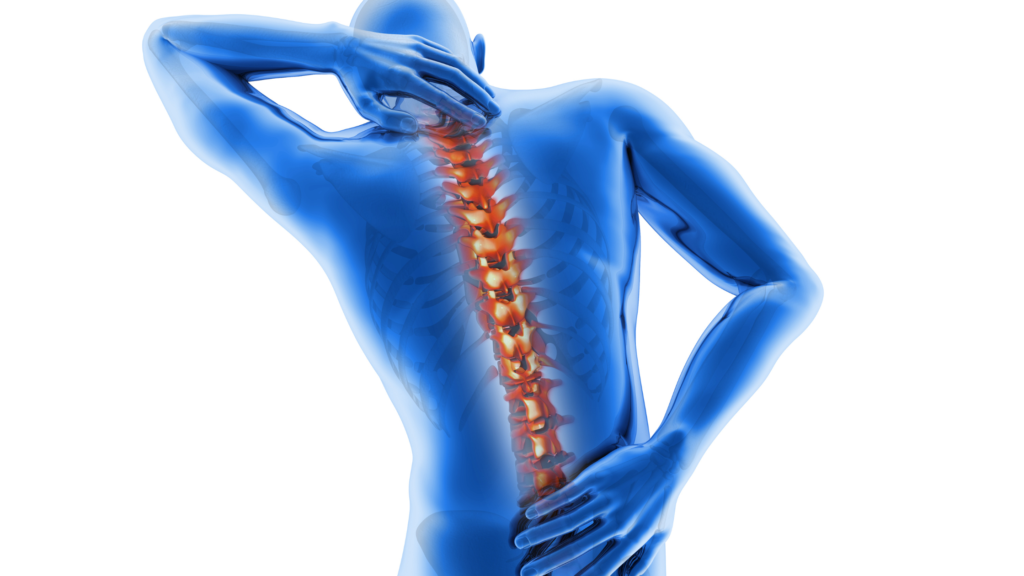
Back pain caused by a spinal compression fracture can make everyday activities difficult and significantly affect quality of life. For many patients, these fractures result from osteoporosis, while others develop them after trauma or certain cancers that weaken the bones. When conservative treatments fail to provide relief, kyphoplasty may offer an effective solution.
Kyphoplasty is a minimally invasive procedure designed to stabilize fractured vertebrae, reduce pain, and, in some cases, restore some of the lost height of the affected bone. Understanding how the procedure works and who may benefit from it can help patients make informed decisions about their treatment options.
What Is Kyphoplasty?
Kyphoplasty is a minimally invasive spine procedure used to treat painful vertebral compression fractures. A vertebral compression fracture occurs when one of the bones in the spine collapses or becomes compressed, often due to osteoporosis, trauma, or cancer affecting the spine.
During kyphoplasty, a physician inserts a small balloon into the fractured vertebra through a narrow tube. The balloon is gently inflated to create space and may restore some of the vertebra’s height. Once the balloon is removed, the space is filled with medical-grade bone cement, which hardens quickly to stabilize the fracture.
The primary goals of kyphoplasty are to relieve pain, improve spinal stability, and help patients return to their normal daily activities.
What Causes Vertebral Compression Fractures?
Vertebral compression fractures most commonly occur because the bones have become weakened over time. Osteoporosis is the leading cause, particularly in older adults.
Other possible causes include:
- Osteoporosis
- Falls or traumatic injuries
- Cancer that has spread to the spine
- Multiple myeloma
- Long-term steroid use that weakens bone density
Compression fractures may develop suddenly after a fall or even during routine activities such as bending, lifting, or coughing when bones are severely weakened.
What Symptoms Can a Compression Fracture Cause?
A vertebral compression fracture can produce symptoms that range from mild discomfort to severe pain.
Common symptoms include:
- Sudden onset of back pain
- Pain that worsens while standing or walking
- Difficulty bending or twisting
- Reduced mobility
- Loss of height over time
- A hunched posture (kyphosis)
Without treatment, multiple fractures can lead to progressive spinal deformity and chronic pain.
How Is Kyphoplasty Performed?
Kyphoplasty is typically performed on an outpatient basis or may require a short hospital stay depending on the patient’s overall health.
The procedure generally follows these steps:
- The patient receives local anesthesia with sedation or general anesthesia.
- The physician uses live X-ray imaging to guide a small needle into the fractured vertebra.
- A balloon is carefully inserted and inflated inside the bone.
- The balloon is removed after creating a cavity.
- Bone cement is injected into the space.
- The cement hardens within minutes, stabilizing the vertebra.
The entire procedure often takes about one hour for each treated vertebra.
Who May Be a Candidate for Kyphoplasty?
Kyphoplasty is generally recommended for patients who have painful vertebral compression fractures that have not improved with conservative treatment.
Potential candidates often include patients who have:
- Severe pain from a recent compression fracture
- Pain that limits walking or daily activities
- Fractures caused by osteoporosis
- Fractures related to certain cancers
- Imaging studies confirming the source of pain
Patients with older healed fractures or other causes of back pain may require different treatment options.
What Are the Benefits of Kyphoplasty?
Many patients experience significant pain relief shortly after kyphoplasty. Stabilizing the fractured vertebra helps reduce painful movement within the bone.
Potential benefits include:
- Rapid pain relief
- Improved mobility
- Increased ability to perform daily activities
- Reduced reliance on pain medications
- Stabilization of the fractured vertebra
- Possible restoration of some vertebral height
- Prevention of further spinal collapse at the treated level
Results vary depending on the severity of the fracture and the patient’s overall health.
What Is Recovery Like After Kyphoplasty?
Recovery following kyphoplasty is typically much faster than recovery from open spinal surgery.
Most patients:
- Go home the same day or the following day
- Walk within hours after the procedure
- Resume light activities within several days
- Gradually return to normal activities as directed by their physician
Patients are often encouraged to continue osteoporosis treatment when appropriate to reduce the risk of future fractures.
Are There Risks Associated With Kyphoplasty?
Like any medical procedure, kyphoplasty carries potential risks, although serious complications are relatively uncommon.
Possible risks include:
- Infection
- Bleeding
- Allergic reaction to anesthesia
- Leakage of bone cement
- Nerve irritation
- Rare injury to surrounding structures
Careful patient selection and experienced procedural techniques help minimize these risks.
How Is Kyphoplasty Different From Vertebroplasty?
Both kyphoplasty and vertebroplasty stabilize compression fractures using bone cement, but there is one important difference.
In vertebroplasty, bone cement is injected directly into the fractured vertebra without first creating a cavity.
Kyphoplasty includes the additional step of inflating a balloon before cement placement. This may help restore some vertebral height and reduce spinal deformity in selected patients.
Your physician will determine which procedure is most appropriate based on the characteristics of your fracture.
Can Compression Fractures Be Prevented?
Although not every fracture can be prevented, maintaining strong bones can significantly reduce the risk.
Preventive strategies include:
- Treating osteoporosis
- Regular weight-bearing exercise
- Adequate calcium and vitamin D intake
- Avoiding smoking
- Limiting excessive alcohol use
- Fall prevention measures at home
- Regular bone density screenings for high-risk individuals
Managing bone health is an important part of preventing future fractures.
When Should You See a Spine Specialist?
Anyone experiencing sudden back pain after a fall or unexplained severe back pain should seek medical evaluation promptly.
Early diagnosis allows physicians to determine whether a compression fracture is present and whether treatments such as kyphoplasty may help prevent ongoing pain and spinal deformity.
Imaging studies including X-rays, MRI, or CT scans can help identify the fracture and guide treatment planning.
Frequently Asked Questions
Is kyphoplasty painful?
The procedure is performed using anesthesia, so patients typically experience little discomfort during treatment. Many report noticeable pain improvement shortly afterward.
How long does kyphoplasty last?
The bone cement provides permanent stabilization of the treated vertebra. However, patients with osteoporosis remain at risk for fractures in other vertebrae if bone health is not addressed.
Will kyphoplasty cure osteoporosis?
No. Kyphoplasty treats the fractured vertebra but does not treat the underlying osteoporosis. Patients should continue working with their healthcare providers to manage bone density.
Can multiple vertebrae be treated?
Yes. Depending on the patient’s condition, physicians may treat more than one compression fracture during the same procedure or in separate sessions.
How successful is kyphoplasty?
Many patients experience substantial pain relief and improved function following kyphoplasty, particularly when the procedure is performed soon after the fracture occurs and appropriate patient selection is used.
Take the Next Step Toward Pain Relief
Vertebral compression fractures can cause debilitating pain and significantly limit mobility, but they do not always require open surgery. Kyphoplasty offers a minimally invasive option that can stabilize fractured vertebrae, relieve pain, and help many patients return to their daily routines more quickly.
If you have persistent back pain after a fall or have been diagnosed with a compression fracture, a comprehensive evaluation by a spine specialist can determine whether kyphoplasty or another treatment is appropriate for your condition.