
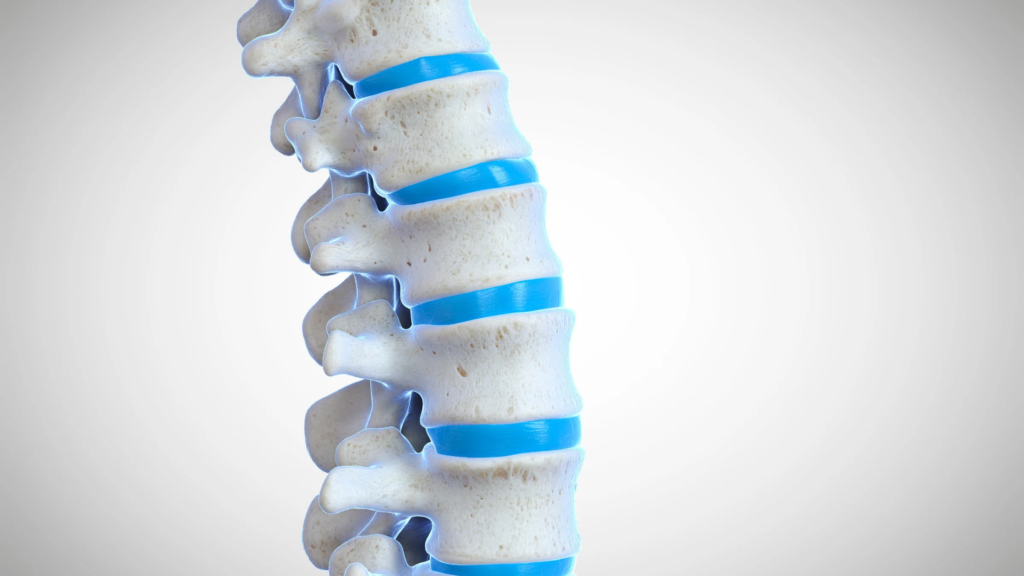
Facet joints are small joints located at the back of the spine that connect neighboring vertebrae and help guide spinal movement. Each spinal level has a pair of facet joints that contribute to stability while allowing the back to bend and twist.
Like other joints in the body, facet joints contain cartilage that can wear down over time. Osteoarthritis may develop as the cartilage deteriorates and the surrounding structures experience increased stress. Inflammation, bone changes, and thickening of the joint tissues can contribute to discomfort and stiffness.
Facet joint arthritis can affect the cervical spine in the neck, the thoracic spine in the middle back, or the lumbar spine in the lower back. Lumbar facet arthritis is a frequent consideration when evaluating persistent lower back pain, particularly in older adults.
However, arthritis visible on an X-ray, CT scan, or MRI does not automatically mean that the facet joints are causing a patient’s symptoms. A clinical evaluation is necessary to determine whether the findings correspond with the location and pattern of pain.
What Are the Symptoms of Facet Joint Arthritis?
Facet joint arthritis can cause localized back or neck pain that becomes more noticeable during certain movements or activities. Symptoms vary depending on which joints are affected and whether other spinal conditions are present. Common symptoms may include:- Aching pain in the lower back or neck.
- Stiffness after sleeping or sitting for an extended period.
- Pain when leaning backward, twisting, or turning.
- Discomfort during prolonged standing or walking.
- Tenderness around the affected spinal region.
- Pain that extends into the buttocks or upper thighs when lumbar facet joints are involved.
How Do Facet Joint Injections Help Relieve Arthritis-Related Back Pain?
Facet joint injections deliver medication into or around an affected spinal joint to help reduce inflammation and evaluate whether the joint is contributing to pain. The injection generally contains a local anesthetic, a corticosteroid, or both. The anesthetic can temporarily numb the area, while the corticosteroid is intended to reduce inflammation and potentially provide longer-lasting relief. These injections may serve two primary purposes: Diagnostic evaluation: Temporary pain relief after an injection can help clinicians determine whether a particular facet joint is contributing to symptoms. The degree and duration of relief are assessed alongside the patient’s clinical history and examination. Therapeutic pain relief: When corticosteroids are included, the injection may reduce inflammation and discomfort for a period of time. The response varies, and relief may be temporary or absent. Facet joint injections do not reverse arthritis or restore worn cartilage. Instead, they are used to help manage symptoms and guide decisions about further treatment.Who May Benefit From Facet Joint Injections?
Facet joint injections may be considered for patients with suspected facet-mediated back or neck pain that persists despite conservative treatment. They may be particularly relevant when symptoms and examination findings suggest arthritis-related joint pain, but the exact source of discomfort remains uncertain. A pain management specialist may consider injections when a patient has:- Persistent lower back pain associated with suspected facet joint degeneration.
- Pain that worsens with spinal extension or twisting.
- Symptoms that interfere with walking, sleeping, work, or daily activities.
- Limited improvement with physical therapy, activity modification, or other nonsurgical treatments.
- A need for further diagnostic evaluation before considering another interventional procedure.
What Happens During a Facet Joint Injection Procedure?
Facet joint injections are typically performed as outpatient procedures using imaging guidance to help position the needle accurately. Fluoroscopy, a type of real-time X-ray imaging, is commonly used. In some circumstances, CT guidance may be appropriate. The procedure generally follows several steps:- Preparation: The patient is positioned to provide access to the affected area. The skin is cleaned, and a local anesthetic is used to numb the injection site.
- Needle placement: The clinician guides a thin needle toward the targeted facet joint using imaging.
- Medication delivery: Once the needle position is confirmed, the medication is injected.
- Observation: The patient is monitored briefly before leaving with post-procedure instructions.
How Long Does Relief From Facet Joint Injections Last?
Pain relief after a facet joint injection varies considerably. The local anesthetic may provide relief for several hours, while any benefit from the corticosteroid may develop over several days. Some patients experience improvement lasting weeks or months, while others receive little or no meaningful relief. The duration depends on factors such as the underlying condition, the severity of joint degeneration, the presence of other pain generators, and the individual’s response to treatment. A follow-up evaluation helps determine whether the injection was effective and whether additional care is appropriate. Repeated injections are not automatically recommended simply because arthritis remains visible on imaging. The clinician should consider the degree of improvement, its duration, potential risks, and alternative treatments.What Is the Difference Between Facet Joint Injections and Medial Branch Blocks?
Facet joint injections and medial branch blocks are related procedures, but they target different structures. Facet joint injections deliver medication into the joint or the tissue surrounding it. Medial branch blocks target the small nerves that carry pain signals from the facet joints. Medial branch blocks are often used to evaluate whether facet joint pain may respond to radiofrequency ablation, a procedure that uses heat to interrupt pain signals from selected nerves. When a diagnostic block produces the expected degree of temporary relief, the clinician may determine whether radiofrequency ablation is a reasonable next step. The appropriate procedure depends on the purpose of treatment, the suspected pain source, and the patient’s clinical findings.What Are the Risks and Side Effects of Facet Joint Injections?
Facet joint injections are generally considered low-risk procedures when performed by qualified clinicians using appropriate techniques. However, no injection is entirely risk-free. Possible side effects and complications include:- Temporary soreness or bruising at the injection site.
- A brief increase in pain after the procedure.
- Bleeding or infection.
- Allergic reactions to medication or contrast material.
- Temporary numbness or weakness, depending on the medication and injection location.
- Rare nerve injury or other serious complications.