
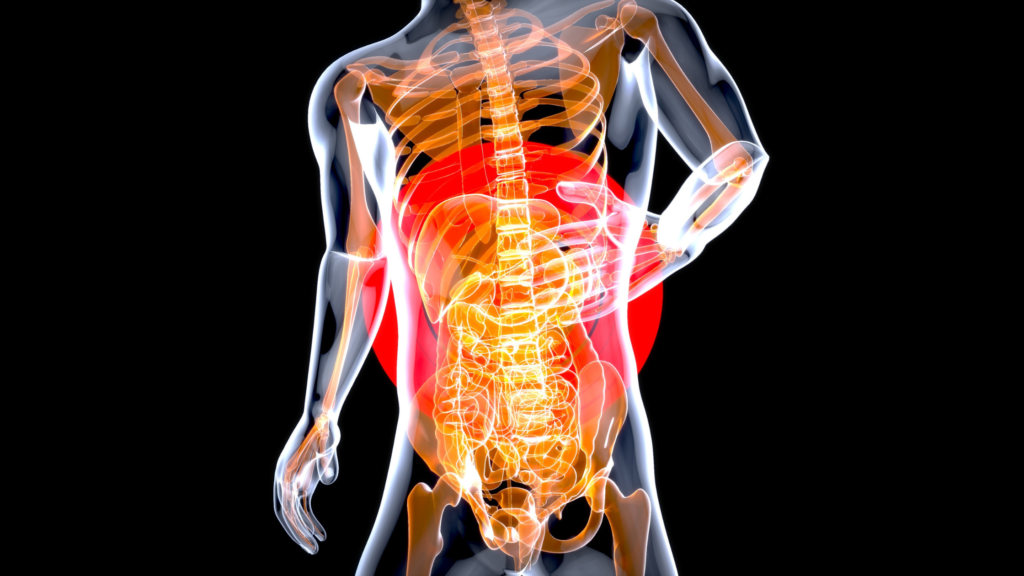
Pain can develop for many reasons, including muscle strain, joint problems, inflammation, and injuries. However, when discomfort feels like burning, tingling, shooting, or electric shocks, the source may be a nerve rather than a muscle or joint. Nerve-related pain, also called neuropathic pain, can affect nearly any part of the body and may interfere with everyday activities, sleep, and mobility.
Recognizing the signs of nerve pain is an important first step toward finding the right diagnosis and treatment. Understanding how nerve pain feels, what causes it, and when to seek medical attention can help patients make informed decisions about their care.
What Does Nerve Pain Feel Like?
Nerve pain often feels different from the soreness or aching associated with muscle and joint conditions. Instead of a dull ache or localized tenderness, nerve pain frequently produces unusual sensations that follow the path of an affected nerve.
Common descriptions of nerve pain include:
- Burning sensations: A persistent feeling of heat or burning that may occur even when the skin is not irritated.
- Electric shock-like pain: Sudden jolts or shooting sensations that travel through an arm, leg, back, or another area.
- Tingling or pins and needles: A prickling sensation that may come and go or remain constant.
- Numbness: Reduced sensation or difficulty feeling touch, temperature, or pressure.
- Hypersensitivity: Pain caused by normally harmless contact, such as clothing brushing against the skin.
- Radiating pain: Discomfort that travels from one area into another, often following a specific nerve pathway.
Nerve pain can occur continuously or in unpredictable episodes. Some patients experience symptoms that worsen with certain movements, prolonged sitting, standing, or even light physical contact.
How Is Nerve Pain Different From Muscle or Joint Pain?
Nerve pain differs from muscle and joint pain in its quality, location, and associated symptoms. Muscle pain commonly causes soreness, stiffness, or tenderness that worsens when the affected muscle contracts or is stretched. Joint pain is often concentrated around a specific joint and may increase with movement or weight-bearing activity.
Nerve pain, on the other hand, frequently travels beyond the area where it originates. For example, a pinched nerve in the lower back may cause pain that extends through the buttock and down the leg. Similarly, nerve compression in the neck may produce symptoms that travel into the shoulder, arm, or hand.
Another important distinction is that nerve pain can involve changes in sensation. Burning, tingling, numbness, and muscle weakness are signs that a nerve may be irritated, compressed, or damaged.
However, these symptoms are not exclusive to nerve conditions. Muscle, joint, and nerve problems can also occur together, making a professional evaluation important.
What Conditions Commonly Cause Nerve Pain?
Several medical conditions can irritate, compress, or damage nerves. Identifying the underlying cause is essential because treatment depends on the location and type of nerve involvement.
Some common causes include:
Herniated or bulging discs: When a spinal disc presses against a nearby nerve root, it can cause radiating pain, numbness, tingling, or weakness. This may lead to sciatica in the lower body or cervical radiculopathy in the neck and arms.
Spinal stenosis: A narrowing of the spinal canal or nerve passageways can place pressure on spinal nerves. Symptoms may include back pain, leg discomfort, numbness, or weakness, particularly when walking or standing.
Peripheral neuropathy: Damage to nerves outside the brain and spinal cord can cause burning, tingling, numbness, and sensitivity. Diabetes is a common cause, although certain medications, injuries, infections, and other medical conditions can also contribute.
Carpal tunnel syndrome: Compression of the median nerve at the wrist can cause tingling, numbness, and pain in the thumb, index finger, middle finger, and part of the ring finger.
Cubital tunnel syndrome: Compression of the ulnar nerve near the elbow can produce numbness or tingling in the ring and pinky fingers, sometimes accompanied by hand weakness.
Nerve injuries: Trauma, repetitive movements, or pressure on a nerve can disrupt normal nerve function and produce persistent or intermittent symptoms.
Where Does Nerve Pain Typically Occur?
Nerve pain can develop anywhere along the body’s nervous system, but certain areas are more commonly affected.
In the spine, nerve compression can cause symptoms that extend into the arms or legs. Lower back nerve problems may produce sciatica, characterized by pain that travels from the lower back or buttock down the leg. Neck-related nerve compression can cause cervical radiculopathy, which may produce discomfort, tingling, or weakness extending into the shoulder, arm, or hand.
Nerve pain can also affect the hands and feet. Patients with peripheral neuropathy may experience symptoms in both feet, often beginning in the toes and gradually progressing upward. Others may experience localized symptoms associated with nerve entrapment, such as carpal tunnel syndrome.
The location and pattern of symptoms can provide important diagnostic clues, particularly when they correspond to the pathway of a specific nerve.
How Do Doctors Determine Whether Pain Is Coming From a Nerve?
Determining whether pain is nerve-related typically begins with a comprehensive medical evaluation. A pain management specialist will review the patient’s symptoms, medical history, previous injuries, and activities that make the discomfort better or worse.
A physical examination may include testing muscle strength, reflexes, sensation, and range of motion. Certain movement-based assessments can also help identify whether specific positions or activities reproduce nerve-related symptoms.
Depending on the suspected cause, additional diagnostic testing may be recommended:
- MRI: Provides detailed images of the spine and surrounding soft tissues to identify disc problems, spinal stenosis, and potential nerve compression.
- X-rays: Help evaluate spinal alignment, bone changes, and other structural abnormalities.
- Electromyography (EMG): Measures electrical activity in muscles to identify signs of nerve dysfunction.
- Nerve conduction studies: Evaluate how effectively electrical signals travel through peripheral nerves.
Not every patient requires every test. Diagnostic recommendations depend on the symptoms, physical examination, and suspected underlying condition.
What Treatment Options Are Available for Nerve Pain?
Treatment for nerve pain depends on what is causing the symptoms, how severe they are, and how much they interfere with daily life. The goal is to address the underlying problem, reduce discomfort, and improve nerve function whenever possible.
Conservative treatments may include physical therapy, activity modification, and medications designed to address nerve-related symptoms. Physical therapy can help improve mobility, strengthen supporting muscles, and reduce mechanical stress on affected nerves.
When conservative approaches do not provide sufficient relief, interventional pain management treatments may be considered. Depending on the diagnosis, options can include:
- Epidural steroid injections: Deliver anti-inflammatory medication near irritated spinal nerves to help reduce inflammation and associated pain.
- Nerve blocks: Use targeted medication to interrupt pain signals from specific nerves.
- Radiofrequency ablation: Uses controlled heat to interrupt pain signals from selected nerves, particularly those associated with certain spinal joint conditions.
- Peripheral nerve stimulation: Uses mild electrical impulses to modulate pain signals from targeted peripheral nerves.
- Spinal cord stimulation: Uses electrical stimulation to modify pain signaling in the spinal cord for certain patients with persistent chronic pain.
Some conditions may require additional treatment to relieve significant nerve compression or address underlying medical problems. A personalized treatment plan helps determine which approach is most appropriate.
When Should You See a Pain Management Specialist for Possible Nerve Pain?
Persistent burning, tingling, numbness, or shooting pain should not be ignored, particularly when symptoms interfere with sleep, walking, working, or other daily activities. Patients should consider an evaluation when discomfort continues despite rest or conservative treatment, spreads into the arms or legs, or is accompanied by changes in sensation or muscle strength.
New or progressive weakness, significant difficulty walking, or worsening neurological symptoms warrant prompt medical evaluation. Sudden weakness, facial drooping, difficulty speaking, or sudden loss of coordination require emergency medical attention. New loss of bladder or bowel control or numbness around the groin or saddle area also requires emergency evaluation.
Early diagnosis can help identify the source of nerve irritation and prevent certain conditions from progressing. A pain management specialist can evaluate symptoms, recommend appropriate diagnostic testing, and develop a treatment strategy based on the patient’s individual needs.
Why Is Identifying the Source of Nerve Pain Important?
Understanding whether pain originates from a nerve, muscle, joint, or another structure is essential for choosing effective treatment. Because nerve pain can have several underlying causes, treating symptoms without identifying their source may not provide lasting relief.
Recognizing the warning signs of nerve-related pain and seeking an appropriate evaluation can help patients explore treatment options before symptoms become more disruptive. With an accurate diagnosis and individualized care plan, many patients can find ways to manage nerve pain, improve function, and return to more comfortable daily activities.